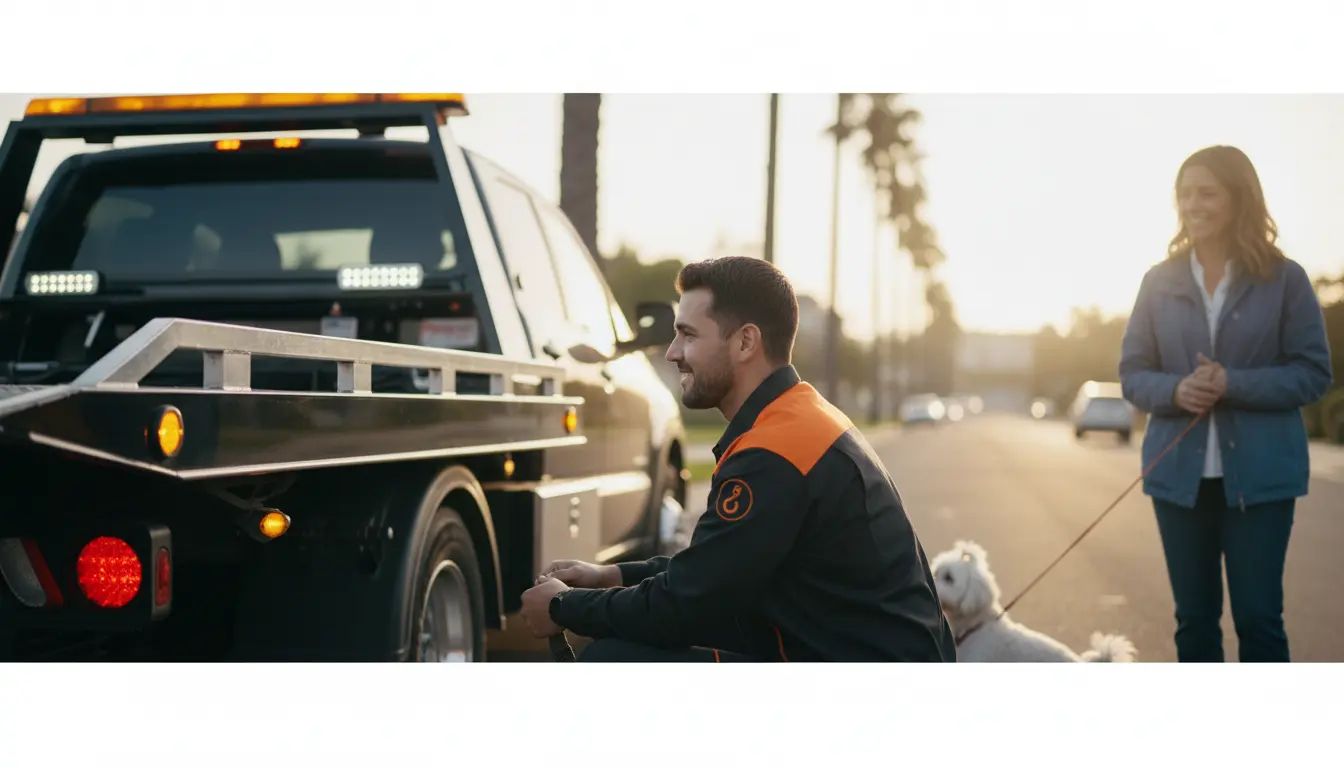
Managing sudden mechanical breakdowns along high-speed transit corridors requires an immediate understanding of roadside logistics and safety parameters. When an alternator assembly fails or an engine compartment overheats amidst dense metropolitan traffic, attempting to navigate cross-lanes manually introduces severe hazards. Securing a certified professional towing and fleet recovery system immediately controls the incident scene and eliminates the risk of secondary highway collisions.
The continuous thermal stress across Central Florida roadways combines with sudden stop-and-go patterns to test localized cooling systems and transmission gear lines heavily. When a vehicle becomes entirely non-operational on active highway shoulders, verifying your roadside financial protection options keeps emergency expenses manageable. Exploring standard rates for an authorized affordable towing service in Orlando allows operators to preserve their asset equity without encountering predatory field pricing scams.
At G&D Towing, we excel at delivering clean, technically integrated vehicle transport tracks engineered to align seamlessly with comprehensive coverage standards. From executing precise axle line weight distribution checks to managing real-time GPS fleet dispatch routing coordinates, our experienced team provides premier regional care. Keeping these rigorous structural parameters balanced protects your delicate drivetrain components and streamlines the subsequent insurance validation loops effortlessly.
Technical Claim Validation & Drivetrain Isolation
The administrative process of subrogating emergency transport costs relies heavily on providing immediate, objective digital evidence of structural or mechanical vehicle failure. Insurance adjusters require clear documentation specifying why traditional rolling methods were bypassed in favor of complete flatbed platforms or auxiliary dolly assemblies to clear active lanes. Failing to establish the mechanical necessity of flatbed deployment can result in partial claim denials, leaving vehicle operators exposed to out-of-pocket technical fees.
During complex extractions involving multi-link electronic suspensions or modern electric vehicle battery trays, manual winching parameters must adjust to completely avoid structural frame twisting. Operators connect heavy-duty alloy bridal hooks strictly to designated factory transport points to isolate the structural unibody from intense directional torque forces. To examine our comprehensive matrix of mechanical transport formats, motorists can browse our layout of certified commercial towing services.
| Recovery Parameter | Engineered Fleet Standards | Uncertified Mechanical Pulls |
|---|---|---|
| Rigging Vector Control | Calculated Snatch Block Redirection | Direct Line Kinetic Jerking (High Frame Stress) |
| Fastener/Hook Interface | Grade 80/100 Alloy Anchor Systems | Non-Rated Utility Straps (High Snap Risks) |
| Drivetrain Isolation | Full Auxiliary Dolly Configurations | Forced Two-Wheel Skidding (Gear Stripping) |
Expert Insights on Claims Adjustments & Highway Safety
When interacting with vehicle insurance claims departments following a highway breakdown, operators must verify if their policy contains a strict commercial mileage radius limitation. Many standard emergency packages cover transit fees only up to an arbitrary structural distance, after which per-mile surcharges are billed directly to the consumer. Confirming these coverage thresholds before the recovery flatbed departs the scene ensures smooth backend claim resolution and prevents unexpected terminal facility fees.
A dangerous error commonly seen during interstate incidents is attempting to exit the stranded cabin on the active traffic side to inspect mechanical fluid lines manually. High-velocity air currents from passing semi-trucks easily pull open unsecured doors and compromise the safety buffer zone, making it essential to remain inside with seatbelts fastened. Reviewing updated logistical strategies and fleet updates is simple through our comprehensive regional roadside assistance blog.
Logistical Pricing & Policy Coverage Estimations
Technical labor estimates for comprehensive highway recovery dispatches generally scale depending on the specialized diagnostic hooks and flatbed weights deployed. Fixed-rate asset protection packages cover detailed loading deck alignments, safety chain link adjustments, and mechanical transmission disengagement scans before transport cycles initiate. The final cost configuration relies completely on the total gross vehicular weight rating and whether auxiliary wheel-lift dollies are required to safeguard all-wheel-drive configurations.
Safety Protocols & Department of Transportation Compliance
G&D Towing executes every highway vehicle extraction and multi-car transport sequence in strict accordance with federal Department of Transportation safety regulations. We utilize high-performance, weather-resistant structural components that preserve your vehicle’s frame alignment while maintaining active traffic incident control networks to secure the motoring public. Operational safety remains our absolute priority, requiring full compliance with OSHA on-scene illumination mandates and reflective perimeter zoning during all urban highway operations.
Frequently Asked Questions (FAQs)
You must obtain a detailed, itemized service invoice showing the breakdown of the base hookup fee and per-mile transit charges, along with the precise dispatch origin and destination tracking points. Taking digital photographs of the vehicle’s spatial location on the highway shoulder further validates the emergency necessity of the recovery tracking loop.
Front-end impacts regularly fracture internal steering knuckles, distort lower control arm bushings, and compromise CV axle integrity, making standard two-wheel trailing impossible. Flatbed transport elevates the compromised steering geometry completely off the asphalt, preventing catastrophic component separation during high-speed transit.
Yes, most commercial insurance policies contain explicit compliance clauses requiring all recovery operations to be executed by licensed, structurally insured entities. Utilizing non-certified operators introduces immense liability risks and can completely invalidate secondary property damage claims if the vehicle is dropped or rigged incorrectly.
You must check the policy’s digital declarations page or contact your claims representative to verify if a digital dispatch clearance network is active. Direct-bill configurations allow the certified transport provider to transmit routing invoices straight to the insurer, eliminating out-of-pocket field transactions for the motorist.
The flatbed setup must feature low-clearance loading ramps to accommodate minimal undercarriage heights, utilize non-marring synthetic wheel straps rather than metal frame chains, and maintain zero contact with the battery protective tray. Verifying these specific parameters prevents localized electrical housing scars and preserves the vehicle’s factory warranty integrity.
Final Thoughts
In conclusion, managing a sudden vehicular failure along active regional transit corridors relies on matching professional fleet capabilities with your insurance validation rules before transit cycles begin. Relying on an experienced local recovery specialist guarantees clean, code-compliant execution under rigorous federal highway safety standards. Motorists can establish communication channels directly through our official emergency dispatch team to coordinate an immediate technical response.