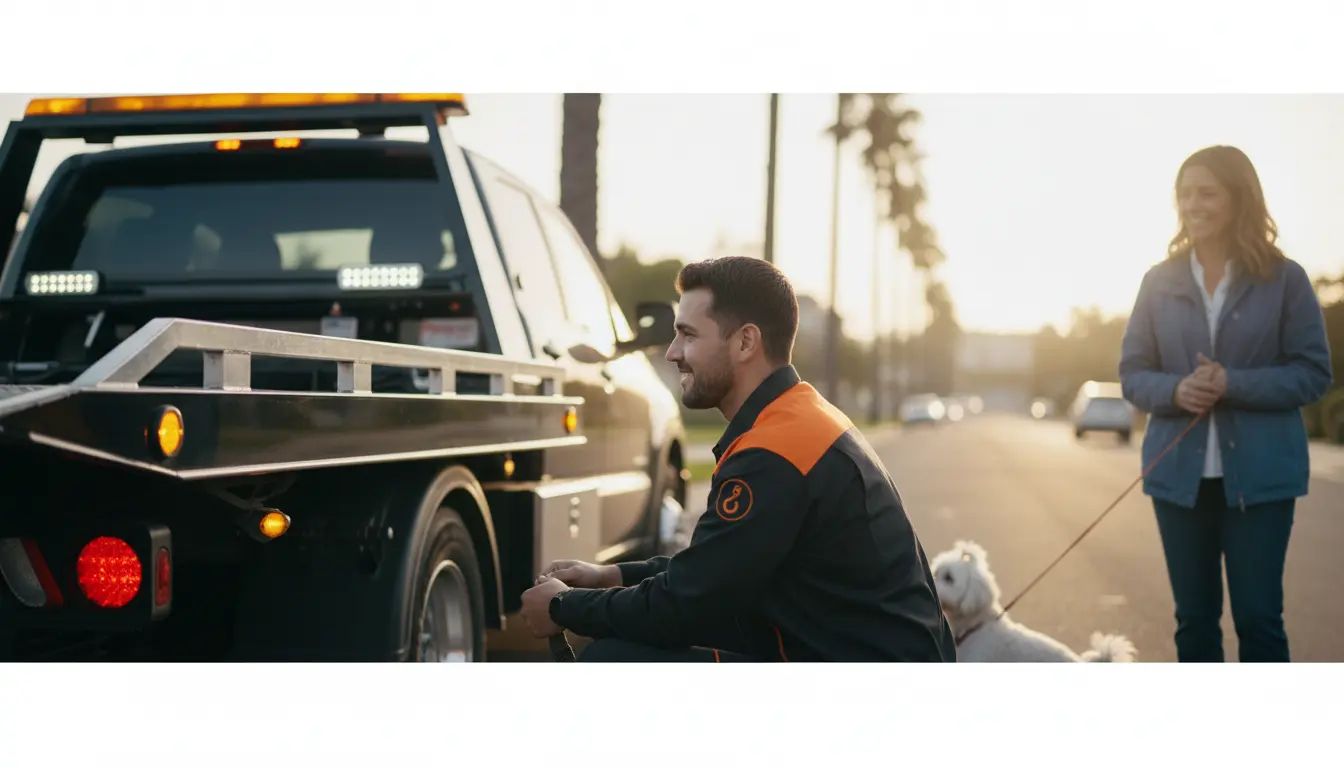
Managing specialized off-road extractions and balancing structural load limits is an essential requirement when vehicles encounter loose lakeside terrains. When a vehicle leaves solid asphalt and becomes immobilized in deceptive shore deposits, attempting unverified acceleration spins will rapidly lower the chassis onto its axles. Utilizing precision logistics through a trusted emergency vehicle transport service guarantees prompt assistance and protects your vehicle from secondary transit damage.
The unique geological layers around Central Florida water pockets feature alternating mixtures of fine silica sand and dense organic silt that weaken under seasonal saturation patterns. When a typical commuter sedan or heavy utility truck breaks through the top crust, the tire footprints lose all mechanical friction while the undercarriage encounters intense suction forces. Relying on an advanced sand and mud recovery provider in Orlando prevents unexpected chassis stress and retains core material stability.
At G&D Towing, we focus on deploying clean, technically advanced recovery configurations specifically engineered to manage complex regional soil extractions seamlessly. From executing digital rigging calculations to using high-grade, synthetic winching lines that exceed standard payload metrics, our experienced fleet guarantees absolute safety. Keeping these precise operational standards intact protects your long-term vehicular equity and ensures total transit control across every emergency dispatch.
Technical Rigging Mechanics & Sub-Surface Extraction
Our recovery workflow initiates with an objective diagnostic evaluation of the stranded vehicle’s precise spatial orientation and depth of entrapment. We calculate the total rolling resistance and structural draft forces using advanced physics formulas to determine whether a straight line pull or a multi-angle snatch block setup is required. Misjudging the structural winching vectors can cause severe directional stress, which twists structural unibody systems or tears lower control arms completely out of their alignment slots.
Once the extraction path is verified, operators connect engineered bridle assemblies directly to designated factory tie-down points or structural frame holes rather than wrapped axle components. This preventative care safeguards delicate electronic steering racks, hydraulic brake lines, and automated stabilizer bars against structural shear pressures during tensioning sequences. To check our complete list of heavy fleet options, motorists can browse our layout of available certified towing and recovery services.
| Recovery Parameter | Engineered Fleet Standards | Uncertified Mechanical Pulls |
|---|---|---|
| Rigging Vector Control | Calculated Snatch Block Redirection | Direct Line Kinetic Jerking (High Frame Stress) |
| Fastener/Hook Interface | Grade 80/100 Alloy Anchor Systems | Non-Rated Utility Straps (High Snap Risks) |
| Drivetrain Isolation | Full Auxiliary Dolly Configurations | Forced Two-Wheel Skidding (Gear Stripping) |
Expert Insights on Soil Dynamics & Drivetrain Protection
When dealing with stranded vehicles in Central Florida, motorists must realize that trapped sand or mud acts as a highly viscous, negative-pressure medium. The moment an axle is buried past its lower wheel rims, atmospheric venting is cut off, generating a strong hydraulic suction seal beneath the floorboards. Continuing to spin the tires only forces raw grit deep inside internal CV axle boots, scoring mechanical bearings and ruining expensive transmission output shafts long before help arrives.
A frequent error made by independent vehicle owners is using arbitrary kinetic recovery ropes tied to non-structural cosmetic bumpers or rear trailer balls. This aggressive, uncalculated jerking force shears structural steel pins and turns heavy metal components into dangerous airborne projectiles that destroy body panels. Motorists looking to analyze complete protective guidelines can follow our technical updates via our updated roadside assistance blog.
Logistical Pricing & Precision Equipment Estimates
Technical fleet estimates for specialized winch-out maneuvers generally scale depending on the total distance from stable pavement and the number of heavy rigging lines deployed. Fixed-rate recovery assessments cover comprehensive underside visual verifications, brake line structural audits, and wheel hub alignment scans before the vehicle re-enters active roadways. The final cost configuration relies heavily on total gross vehicular weight class specifications and the secondary requirement of auxiliary transport dollies or flatbed decks.
Safety Protocols & Department of Transportation Compliance
G&D Towing executes every vehicle extraction and roadside transport sequence in strict accordance with federal Department of Transportation safety protocols. We utilize high-performance, weather-resistant equipment that preserves the structural integrity of your vehicle while maintaining active traffic incident management loops to safeguard public right-of-ways. Operational safety remains our absolute priority, requiring full compliance with OSHA on-scene illumination rules and high-visibility perimeter zoning during all complex night operations.
Frequently Asked Questions (FAQs)
Spinning tires quickly displaces loose topsoil particles and expels any moisture trapped between the sand grains, destroying the soil’s load-bearing ability. This process causes the tire to dig a localized pocket, dropping the vehicle’s structural frame directly onto the ground where mud suction locks it in place.
All-wheel-drive drivetrains utilize delicate center differentials or automated clutch packs that match speed variances between the front and rear axles. Forcing one set of wheels to roll on asphalt while the opposite axle remains static strips gear teeth and generates extreme internal friction, warping internal components within minutes.
A winching dampener is a heavy, weighted vinyl blanket placed over the center of a steel or synthetic winch line under tension. If a hook or line breaks under extreme structural stress, the dampener absorbs the kinetic whip energy, forcing the ruptured line safely down to the ground rather than snapping toward bystanders.
Yes, auxiliary dollies feature independent high-capacity axles and miniature wheels that cradle the vehicle’s tires completely off the ground. This configuration isolates the locked or disabled drivetrain entirely, allowing the vehicle to be transported over highways without flat-spotting the tires or ruining transmission linkages.
Key warning signs include fresh cracks or flaking paint along factory weld joints, doors or hoods that no longer close flush with panel lines, and severe steering wheel misalignment on straight pavement. Verifying these stress indicators early prevents hidden tracking errors from altering long-term steering geometry stability.
Final Thoughts
In conclusion, removing a vehicle from unstable lakeside deposits relies on managing mechanical resistance factors before excessive frame strain distorts your underlying suspension tracks. Relying on an experienced local fleet specialist guarantees clean, code-compliant recovery execution under rigorous Department of Transportation standards. Motorists can establish direct communication routes through our official emergency dispatch team to launch an immediate tactical response.