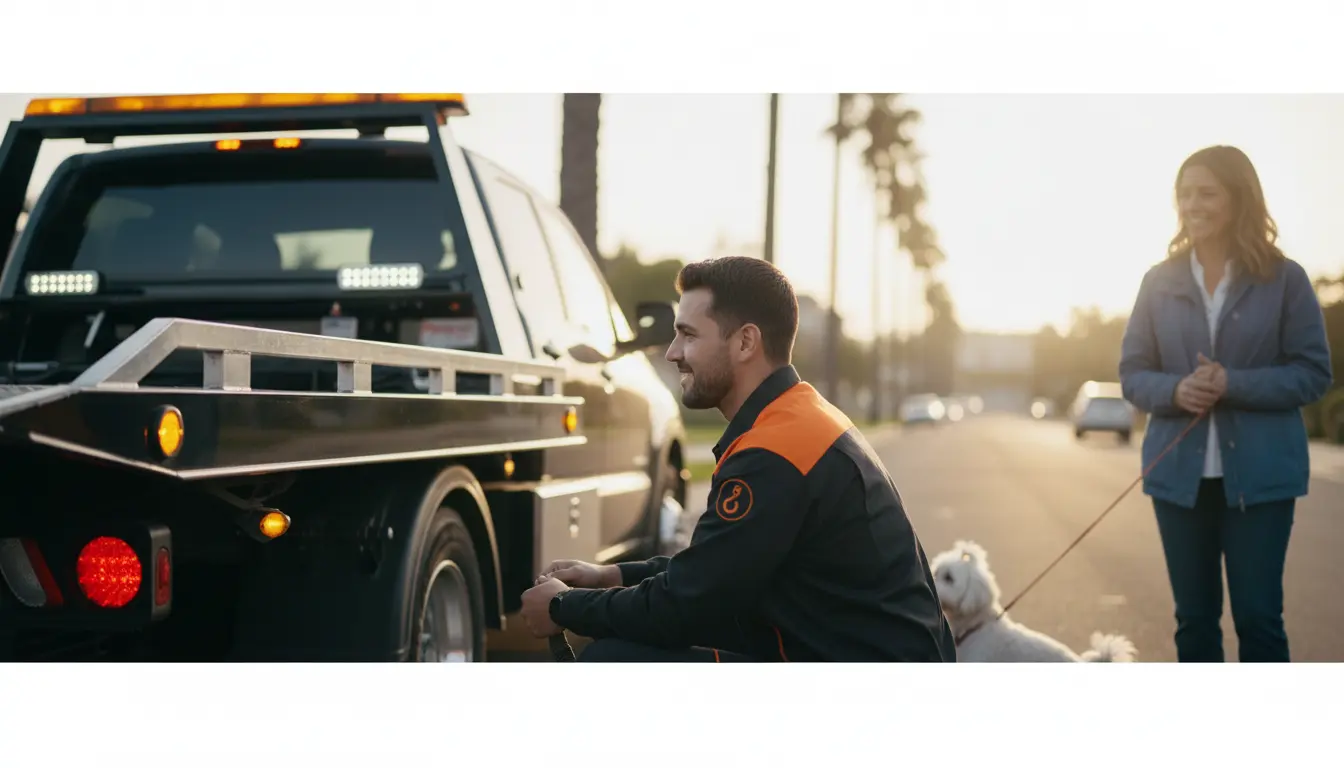
As a seasoned tow truck operator in Orlando, I recall a harrowing incident where a motorist’s vehicle stalled on Interstate 4 during rush hour, leaving them stranded in a precarious position. The combination of high ambient temperatures, stop-and-go gridlock, and severe seasonal downpours had taken its toll on the vehicle’s mechanical systems. With the help of our advanced machinery and certified operators, we were able to execute a precise vehicle transport, ensuring the driver’s safety and protecting the vehicle from secondary transit damage.
Such situations highlight the importance of spotting mechanical issues that might require a tow truck. By being aware of the warning signs, motorists can take proactive measures to prevent breakdowns and ensure their safety. In this article, we delve into the world of vehicle recovery and logistics, exploring the technical processes involved in towing and the expertise required to execute them safely. For more information, visit our G&D Towing official portal.
Understanding the Technical Process
Our comprehensive vehicle recovery and logistics workflow begins with an immediate assessment of the stranded vehicle’s mechanical state and physical positioning. We determine the total gross vehicle weight rating (GVWR) and inspect the suspension architecture to ensure that our rigging configuration matches the exact engineering requirements of the chassis. For vehicles suffering from electrical failures or seized braking systems, we utilize a specialized wheel-lift system with dolly attachments or execute full flatbed towing to eliminate rolling resistance.
This methodology protects modern variable transmissions and multi-link suspension geometries from the destructive frictional forces associated with traditional two-wheel towing methods. By adapting our recovery techniques to manage the unique environmental challenges presented by Orlando’s sudden afternoon downpours, we can execute heavy-duty recovery maneuvers without placing undue stress on the vehicle’s structural frame. Our operators utilize advanced kinetic energy management principles and calculate precise winching angles to ensure a safe and efficient recovery process.
| Feature/Metric | Professional Flatbed Logistics | Conventional Hook and Chain |
|---|---|---|
| Drivetrain Wear | Zero (Complete Isolation) | High Risk (Axle Rotation) |
| Securement Type | Four-Point Tire Strapping | Direct Frame Stress Tension |
| Ground Clearance | High (Optimized Loading Angle) | Low (Risk of Bumper Impact) |
Expert Insights on Highway Safety
When a vehicle stalls in deep standing water on an Orlando secondary road during a torrential storm, the operator must never attempt to restart the internal combustion engine. Attempting ignition when the air intake is submerged introduces water directly into the cylinders, causing catastrophic hydrostatic locking that instantly destroys the engine block. Instead, our operators follow quick recovery best practices to ensure a safe and efficient recovery process.
A frequent error made by motorists experiencing a highway blowout is pulling onto a narrow left-hand shoulder rather than navigating carefully to a wide right-hand emergency lane. Left-shoulder positioning drastically decreases working room and places the recovery operator in the direct path of high-speed tourist traffic. By being aware of these potential hazards, motorists can take proactive measures to ensure their safety. You can learn more by visiting our roadside technical blog.
Frequently Asked Questions (FAQs)
If your vehicle is all-wheel-drive, has low ground clearance, or sustained suspension damage, a flatbed is required to prevent further chassis or drivetrain components from being compromised.
Synthetic lines are significantly lighter, safer if they snap, and do not cause the abrasive damage to a vehicle’s frame or exterior finish that traditional steel cables often inflict during heavy-duty recovery.
Safely pull to the right-hand shoulder, turn off the engine immediately, and open the hood to help heat dissipate. Never remove a radiator cap while the engine is hot, as it can cause severe steam burns.
Ensure you have access to a provider who uses dedicated motorcycle cradles and soft-tie straps, which protect the frame and fairings from contact-related damage during transport.
Yes, if you are in a live lane, it is often safer to remain inside with your seatbelt fastened and hazard lights on until professional help arrives. Exiting the vehicle on a high-speed interstate is extremely hazardous.
Pricing and Operational Standards
Our pricing structure is transparent, with standard hookup fees for local passenger vehicles scaling from 75 to 110 dollars, plus a per-mile transport rate. We also offer specialized motorcycle transport services using cradle systems. At G&D Towing, we operate in absolute compliance with all federal Department of Transportation safety protocols. We utilize high-grade synthetic winching lines and tie-down assemblies with verified load limits that significantly exceed the weight of the cargo.
Conclusion
Spotting mechanical issues early is crucial for ensuring the safety of motorists. By being aware of warning signs and taking proactive measures, you can reduce the risk of accidents. At G&D Towing, we are dedicated to providing a safe and efficient recovery process. If you are in need of towing services in the Orlando area, do not hesitate to contact our team. We are committed to providing the highest level of service and expertise in the industry. Visit our emergency contact page to schedule assistance today.