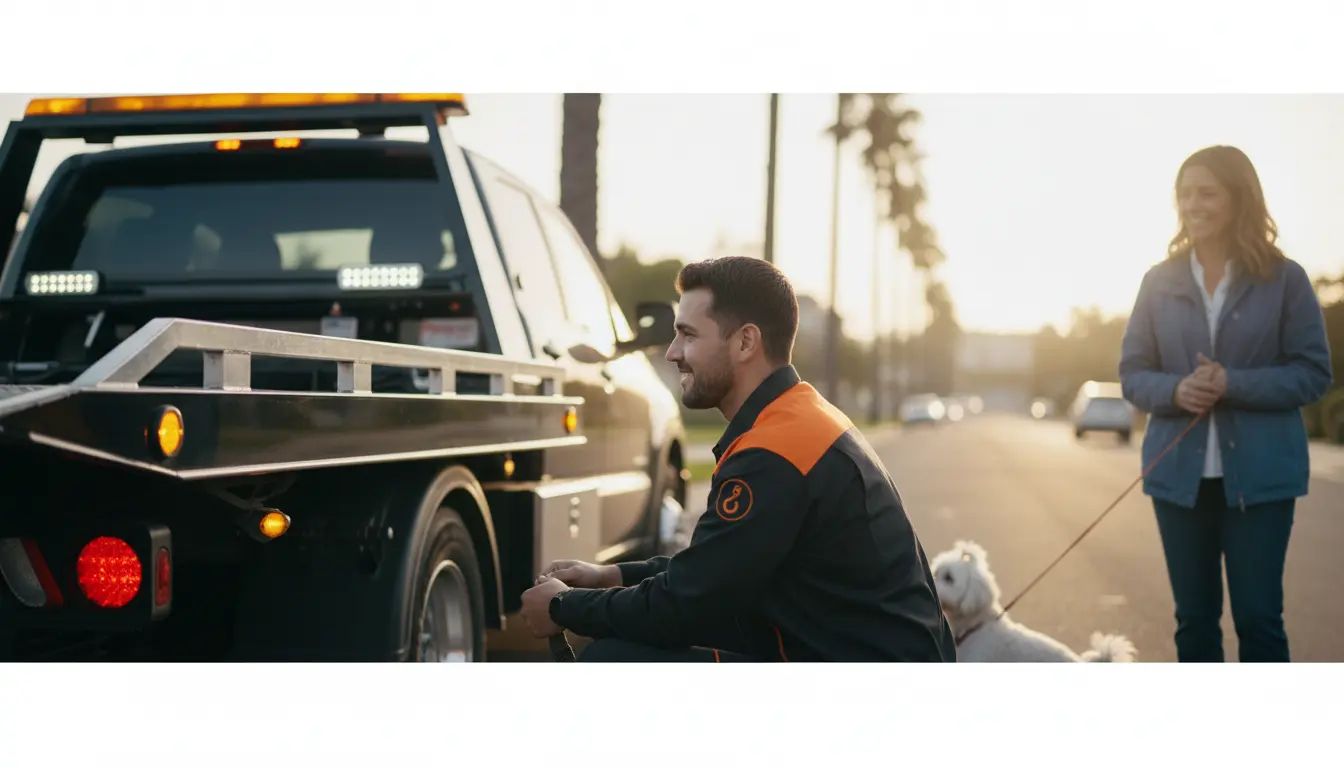
Securing a vehicle during transport refers to the systematic process of preparing and protecting a vehicle for relocation, ensuring its safety and integrity throughout the transportation process. This involves a range of measures and techniques to prevent damage, from properly securing the vehicle on a transport trailer to protecting its systems from potential hazards during transit. Unlike mere transportation, which focuses solely on moving a vehicle from one point to another, securing a vehicle during transport is about ensuring that the vehicle arrives at its destination in the same condition it was in before transport, thus distinguishing it from general transportation services that might not prioritize vehicle safety and condition.
The importance of securing a vehicle during transport cannot be overstated, especially when considering the various risks involved, such as road debris, extreme weather conditions, and the potential for accidents. Furthermore, improper securing can lead to significant damage, including scratches, dents, and even mechanical issues, making the process of securing a vehicle a critical aspect of any transportation service. In contrast to simply moving a vehicle, the focus here is on preservation and safety, highlighting the distinction between basic transportation and the specialized service of securing a vehicle for transport. To view our full array of advanced regional transport configurations, visit our certified emergency services directory.
For individuals looking to transport their vehicles, whether across town or across the country, understanding the steps involved in securing a vehicle is crucial. This includes researching reputable transport companies, understanding the different types of transport services available (such as open carrier or enclosed carrier transport), and knowing what to expect during the transport process. By prioritizing the security and safety of the vehicle, individuals can ensure their vehicle is protected and arrives at its destination in pristine condition, which is the ultimate goal of any vehicle transport service.
Understanding Vehicle Transport Options
When it comes to transporting a vehicle, there are several options available, each with its own set of benefits and considerations. Open carrier transport, for example, is one of the most common methods, where vehicles are securely fastened to an open trailer. This method is cost-effective and efficient but may expose the vehicle to the elements. On the other hand, enclosed carrier transport provides a higher level of protection, as vehicles are transported inside a covered trailer, shielding them from weather conditions and road debris. For luxury or classic vehicles, this method is often preferred due to its enhanced security features.
Regardless of the transport method chosen, the process of securing the vehicle remains paramount. This involves not only the physical securing of the vehicle to the transport trailer but also preparing the vehicle itself for transport. This includes steps such as ensuring the vehicle is clean and free of loose items, disabling the alarm system, and providing any necessary documentation or keys to the transport company. By taking these steps, individuals can help ensure their vehicle is properly secured and protected during transport.
| Feature/Metric | Professional Flatbed Logistics | Conventional Hook and Chain |
|---|---|---|
| Drivetrain Wear | Zero (Complete Isolation) | High Risk (Axle Rotation) |
| Securement Type | Four-Point Tire Strapping | Direct Frame Stress Tension |
| Ground Clearance | High (Optimized Loading Angle) | Low (Risk of Bumper Impact) |
Preparing Your Vehicle for Transport
Preparing a vehicle for transport involves several key steps that help ensure the vehicle is secure and protected during the transportation process. First, it’s essential to clean the vehicle thoroughly, both inside and out, to document its condition before transport. This helps in identifying any damage that may occur during transport. Next, remove any loose items from the vehicle, as these can become projectiles and cause damage during transit. Additionally, make sure to fill out any necessary paperwork and provide keys to the transport company, as this will facilitate a smooth pickup and delivery process.
For vehicles with special requirements, such as all-wheel-drive or luxury vehicles, additional preparation may be necessary. For example, all-wheel-drive vehicles may need to be transported with all four wheels off the ground to prevent damage to the drivetrain, while luxury vehicles may require enclosed transport to protect them from the elements. Understanding these special requirements and communicating them to the transport company is crucial for ensuring the vehicle is properly secured and protected during transport. For specialized safety advice regarding high-stress hauling layouts, explore our quick recovery best practices guide.
Choosing the Right Transport Company
Choosing the right transport company is a critical decision in the process of securing a vehicle during transport. With so many options available, it can be challenging to know where to start. First, look for companies that are licensed, insured, and have a good reputation. Check online reviews and ask for referrals from friends or family members who have used transport services in the past. It’s also important to compare prices and services among different companies to find the best fit for your needs and budget.
For those in the Orlando area, G&D Towing offers a range of transport services, including flatbed towing and motorcycle transport, tailored to meet the specific needs of vehicle owners. By choosing a reputable and experienced transport company, individuals can ensure their vehicle is in good hands and will be properly secured and protected during transport. To understand more about our operator compliance and vehicle engineering metrics, read through our About Us page.
Securing Your Vehicle for Transport
Securing a vehicle for transport involves several technical steps designed to ensure the vehicle is safely fastened to the transport trailer. This includes using high-quality straps or chains that are specifically designed for vehicle transport, as well as ensuring the vehicle is properly positioned on the trailer to distribute its weight evenly. For vehicles with low ground clearance, such as sports cars, special care must be taken to avoid damaging the underside of the vehicle during the loading process. If your asset demands an completely isolated vehicle deck transport config, visit our flatbed towing page.
Additionally, the transport company should provide a detailed inspection report before and after transport, documenting the condition of the vehicle. This not only helps in identifying any damage that may occur during transport but also provides peace of mind for the vehicle owner. By understanding the process of securing a vehicle for transport and working with a reputable transport company, individuals can ensure their vehicle is protected and arrives at its destination in the same condition it was in before transport. To find budget-friendly loading configurations across Central Florida, view our affordable towing options page.
Frequently Asked Questions (FAQs)
Towing an all-wheel-drive vehicle with two wheels on the ground forces the internal differential gears to spin continuously. Since the vehicle’s engine is off, the transmission fluid pump cannot circulate oil, leading to extreme friction and catastrophic thermal failure of the gearbox within miles.
A four-point tire strapping system is the professional standard. By anchoring the straps directly over the vehicle’s tires to the flatbed deck, the vehicle’s own suspension naturally absorbs road vibrations, eliminating the harsh torsional frame stress caused by rigid metal hook-and-chain tensioning.
Ensure the vehicle has no active fluid leaks (engine oil, coolant, or transmission fluid) that could drip onto other assets or slick the transport bed. It is also recommended to keep the fuel tank at roughly 1/4 full to minimize shifting weight and reduce unnecessary asset weight on the trailer deck.
Operators must utilize extended ramps or an automated air-ride drop deck to achieve a loading angle of less than ten degrees. This low approach angle guarantees that front splitters, air dams, and low-hanging side skirts clear the deck transition without scraping.
You can quickly log your asset details, pickup location, and target coordinates to establish a secure transit timeline by visiting our specialized emergency contact page.
Conclusion
In conclusion, securing a vehicle during transport is a critical process that involves preparing the vehicle, choosing the right transport method, and working with a reputable transport company. By understanding the steps involved in securing a vehicle and taking the necessary precautions, individuals can ensure their vehicle is protected and arrives at its destination safely. Whether you’re transporting a vehicle across town or across the country, prioritizing its security and safety is essential. For additional safety deep-dives, transport analytics, and local roadside updates, make sure to browse our comprehensive roadside technical blog.
Remember, the safety and security of your vehicle are paramount, and choosing the right transport company can make all the difference. For emergencies, accidents, or scheduled vehicle relocation needs across Downtown Orlando, Winter Park, and Lake Buena Vista, rely on professionals who specialize in auto transport frameworks. Explore our primary hub options by visiting our roadside assistance and towing page.