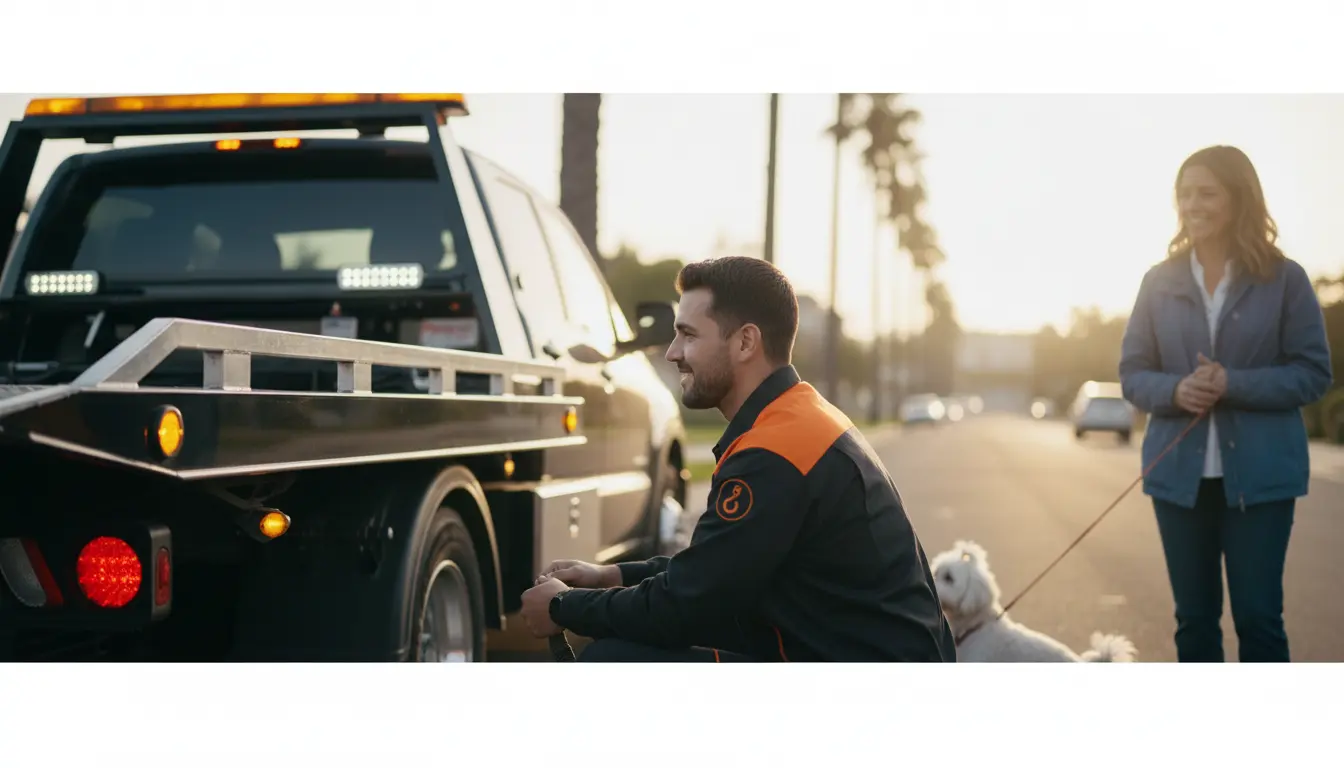
Operating a motor vehicle along the heavily congested Interstate 4 corridor or around the complex theme park arteries of Orlando exposes mechanical systems to extreme operational stress. The combination of high ambient temperatures, sudden stop-and-go gridlock, and severe seasonal downpours drastically accelerates vehicular component breakdown, frequently stranding motorists in high-risk zones. This can lead to costly repairs, not to mention the expense of towing and recovery services, which can range from $75 to $200 or more, depending on the type of vehicle and the distance it needs to be transported.
When a mechanical failure occurs, securing an immediate, technically sound logistical response is paramount to ensuring driver safety and protecting your vehicle from secondary transit damage. Implementing strategic response guidelines is essential in minimizing the risk of further damage and reducing the financial burden of recovery. A well-planned recovery strategy can help mitigate the costs associated with vehicle breakdowns, which can quickly add up to thousands of dollars. To align with our active emergency logistics network, visit our certified emergency services directory.
Data indicates that the baseline cost of moving a vehicle in Central Florida fluctuates widely depending on structural dimensions and transit distances. Furthermore, the cost of repairs can be significantly higher if the vehicle is not properly recovered, highlighting the importance of following standardized protocols to minimize frame damage and reduce out-of-pocket costs.
Technical Process
Our comprehensive vehicle recovery and logistics workflow begins with an immediate assessment of the stranded vehicle’s mechanical state and exact physical positioning. We determine the total gross vehicle weight rating and inspect the suspension architecture to ensure that our rigging configuration matches the exact engineering requirements of the chassis. This attention to detail is critical in preventing further damage to the vehicle and ensuring a safe and efficient recovery process.
For vehicles suffering from electrical failures or seized braking systems, we utilize a specialized wheel-lift system with dolly attachments or execute full flatbed towing to eliminate rolling resistance. This methodology protects modern variable transmissions and multi-link suspension geometries from the destructive frictional forces associated with traditional two-wheel towing methods over long distances. By using the right equipment and techniques, we can minimize the risk of further damage and ensure a safe and efficient recovery process. If your asset requires an entirely isolated transport deck, view our options on our flatbed towing page.
| Feature/Metric | Professional Flatbed Logistics | Conventional Hook and Chain |
|---|---|---|
| Drivetrain Wear | Zero (Complete Isolation) | High Risk (Axle Rotation) |
| Securement Type | Four-Point Tire Strapping | Direct Frame Stress Tension |
| Ground Clearance | High (Optimized Loading Angle) | Low (Risk of Bumper Impact) |
Expert Insights
When a vehicle stalls in deep standing water on an Orlando secondary road during a torrential storm, the operator must never attempt to restart the internal combustion engine. Attempting ignition when the air intake is submerged introduces water directly into the cylinders, causing catastrophic hydrostatic locking that instantly destroys the engine block and interior mechanical components. Instead, the vehicle should be recovered using a winch-out or other suitable method to prevent further damage. For immediate instructions on navigating high-risk breakdown zones, review our quick recovery best practices guide.
A frequent error made by motorists experiencing a highway blowout is pulling onto a narrow left-hand shoulder rather than navigating carefully to a wide right-hand emergency lane. Left-shoulder positioning drastically decreases working room and places the recovery operator in the direct path of high-speed tourist traffic, making prompt roadside assistance coordination absolutely essential for driver survival. By following the right procedures and using the right equipment, we can minimize the risk of accidents and ensure a safe and efficient recovery process.
Pricing
The cost of vehicle recovery in Orlando can vary depending on the type of vehicle, the distance it needs to be transported, and the level of service required. Standard hookup fees for local passenger vehicles typically scale from $75 to $110, with a transparent per-mile transport rate applied beyond the initial hookup zone. Specialized motorcycle transport services utilize specialized cradle systems and soft-tie strapping, billed under a dedicated flat-rate regional pricing menu. To find competitive commercial and consumer transport configurations, view our affordable towing options page.
The final cost of an operational dispatch is directly influenced by three technical factors: the required winching distance, the need for specialized tracking equipment, and the absolute total weight of the asset. Emergency recovery operations performed during peak holiday traffic windows or under hazardous severe weather conditions are subject to minor adjustments based on operational complexity. By understanding the factors that affect the cost of vehicle recovery, motorists can better plan and budget for the unexpected.
Safety and Standards
G&D Towing operates in absolute compliance with all federal Department of Transportation safety protocols and structural rigging regulations. We utilize high-grade synthetic winching lines and tie-down assemblies that possess verified working load limit ratings significantly exceeding the weight of the cargo being transported. Our commitment to operational safety involves the continuous execution of traffic-incident management techniques designed to protect stranded motorists on active highways. To read about our industrial compliance records and operator backgrounds, visit our About Us page.
By forcing our operators to undergo strict ongoing certification through recognized industrial programs, we guarantee a level of torsional stability and procedural precision that independent, uncertified operators cannot provide. This commitment to safety and excellence is reflected in our company values and our dedication to providing the best possible service to our customers.
Frequently Asked Questions (FAQs)
If the air intake is submerged, the engine sucks water into the cylinders instead of air. Because liquids cannot be compressed under piston pressure, the massive mechanical force results in hydrostatic locking, which instantly snaps connecting rods and cracks the engine block structure.
Tire straps anchor the vehicle to the flatbed deck by its wheels, allowing the vehicle’s own suspension system to absorb road bumps naturally during transport. Rigid metal frame chains apply tight, concentrated tension directly to structural geometries, risking frame tweak or component warping.
Turn on your hazard flashers immediately, keep your seatbelt securely buckled, stay inside the vehicle cabin to protect yourself from high-speed traffic, and call emergency dispatch services to clear the lane safely.
No, towing an AWD vehicle with two wheels down spins the center differential. Without the engine running to power the oil pump, the lack of internal lubrication causes severe friction and thermal breakdown, completely ruining the transmission within a few miles.
You can quickly submit your precise location parameters and log asset details to sync with our on-duty technicians by visiting our dedicated emergency contact page.
Conclusion
In conclusion, understanding proper vehicle recovery protocols after an accident or breakdown is essential to minimizing the risk of further damage and reducing the financial burden of recovery. By understanding the technical process of vehicle recovery, the importance of expert insights, and the factors that affect pricing, motorists can better plan and budget for the unexpected. For additional technical deep-dives and Central Florida highway safety updates, explore our roadside technical blog.
Remember to always follow the proper procedures after an accident, and don’t hesitate to reach out to us if you have any questions or need assistance. We are committed to providing the best possible service to our customers and helping them navigate the challenges of vehicle recovery in Orlando. For a complete look at our regional transport reach across Downtown Orlando, Winter Park, and Lake Buena Vista, visit our roadside assistance and towing page.