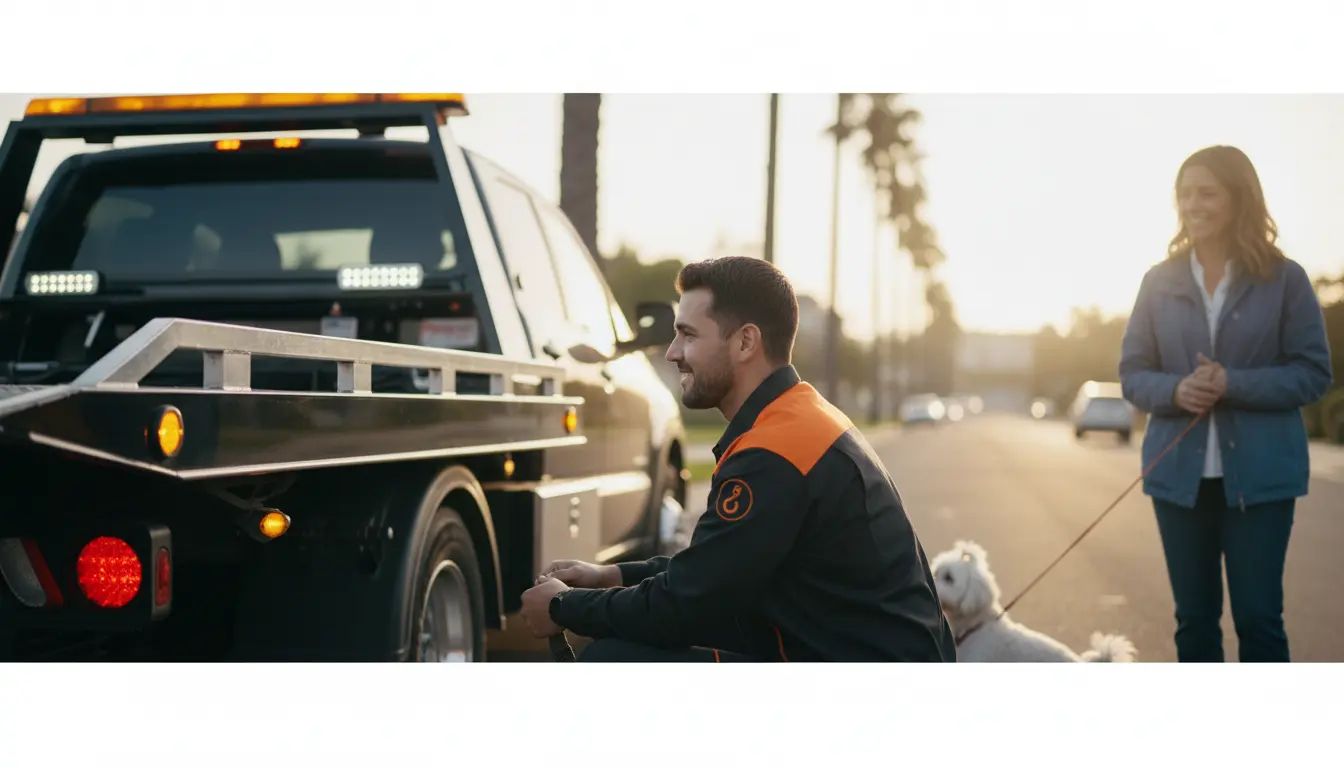
Managing high-velocity tire structural failures along heavily traveled transit loops requires an immediate application of strategic scene control and mechanical load balancing parameters. When a low-profile tire or heavy utility carcass undergoes sudden air containment loss on an active highway shoulder, attempting an unverified field wheel replacement introduces massive logistical hazards. Securing a certified professional flatbed towing dispatch ensures that the compromised vehicle is completely isolated from approaching vehicle paths immediately.
Extreme track temperatures across Central Florida combined with relentless stop-and-go gridlock cycles drastically accelerate rubber belt delamination and pressure spikes inside the wheel liners. When structural layers break down unexpectedly, forcing the damaged wheel assembly over raw pavement introduces severe structural stress to surrounding brake linkages and lower control arm bushings. Coordinating a safe response with an expert provider of tire blowout recovery in Orlando stops initial pressure bursts from causing long-term alignment distortions.
At G&D Towing, we focus on executing clean, mathematically sound vehicle extractions specifically configured to accommodate modern low-clearance chassis and complex all-wheel-drive systems. From calculating gross weight distribution indexes to deploying non-marring synthetic wheel securement lines that protect premium alloy rims, our fleet provides exceptional roadside care. Keeping these clear logistical parameters balanced isolates your delicate powertrain components and guarantees smooth transit flow through every emergency scenario.
Technical Physics of High-Thermal Blowouts & Alignment Stress
The mechanical process behind a high-speed tire failure involves a rapid accumulation of kinetic friction that directly challenges the underlying compound structures. As asphalt surfaces radiate intense heat during peak summer cycles, internal air pressure expands significantly beyond nominal factory limits, finding any microscopic weakness along the outer tread layers. Once a rupture manifests, the sudden rotational imbalance exerts immediate asymmetric torsional forces across the vehicle’s structural steering rack assemblies.
Forced trailing or uncertified hook-and-chain dragging behind a moving platform during this vulnerable phase can permanently twist delicate unibody subframes or score low-hanging electronic steering sensors. Professional operators maintain strict structural safety standards by utilizing hydraulic low-angle loading decks that pick up the asset entirely, removing all secondary rolling resistance forces. To evaluate our comprehensive operational breakdown of professional field transport formats, motorists can view our layout of certified emergency towing services.
| Recovery Metric | Engineered Flatbed Logistics | Uncertified Ground Trailing |
|---|---|---|
| Suspension Interface | Zero Rolling Stress (Complete Deck Elevation) | Asymmetric Lateral Dragging (Bushings Damage) |
| Wheel Rim Protection | Over-the-Tire Synthetic Harness Blocks | Metal Hook Contact Points (High Scoring Risk) |
| Drivetrain Security | Total Axle Decoupling & Isolation | Forced Planetary Gear Rotation (No Lubrication) |
Expert Insights on Tread Care & Highway Placement Logistics
When experiencing a complete tire decompression on active multi-lane corridors, vehicle operators must prioritize structural lane safety over minor wheel rim protection. Trying to limp a vehicle across multiple high-speed transit sections to find a generic service oasis often causes the loose steel belts to thrash inner wheel wells apart. This action shreds critical electrical wiring harnesses and brake fluid supply networks, significantly amplifying the final workshop restoration cost matrix.
A frequent error made by motorists is pulling onto a narrow left-hand shoulder zone, which leaves zero operational clearance on the traffic side and exposes operators directly to moving tourist vehicles. Navigating carefully to a wide right-hand emergency area gives operators a stable defensive boundary to implement standard traffic incident management rules safely. Motorists trying to track long-term preventative vehicle frameworks can follow our updates through our comprehensive regional roadside assistance blog.
Logistical Fleet Estimates & Weight Class Verification
Technical labor estimates for high-speed highway recovery dispatches follow explicit regional mileage brackets, ensuring completely transparent calculations from initial hookup zones. Fixed-rate recovery assessments ensure that auxiliary transport equipment requirements, such as wheel dollies or specialized low-profile approach ramps, are completely accounted for before transport cycles initiate. The final fee configuration remains directly tied to the total gross vehicle weight rating and the absolute distance to the designated terminal facility.
Safety Protocols & Department of Transportation Compliance
G&D Towing executes every high-speed highway extraction and luxury vehicle relocation in strict compliance with federal Department of Transportation safety protocols and structural rigging regulations. We utilize high-performance, non-marring synthetic web assemblies and load-rated aluminum alloy anchors that possess verified working limits far exceeding the vehicle’s structural weight mass. Our operational safety standards feature active traffic incident management loops designed to keep your valuable vehicle perfectly secure during highway transits.
Frequently Asked Questions (FAQs)
Under-inflation causes the tire’s sidewalls to flex excessively while rolling at high speeds, generating immense internal heat buildup along the rubber layers. When this internal heat interacts with sizzling asphalt temperatures, the structural bonding agents holding the internal steel belts together fail, triggering a sudden blowout.
Yes, driving on a flat tire eliminates the pneumatic cushion protecting the wheel structure, forcing the sharp aluminum lip of the alloy rim to impact the hard asphalt directly. This metal-on-concrete grinding quickly deforms the round wheel layout, causing deep gouges and micro-cracks that make the rim completely unrepairable.
Operators utilize grade 80/100 alloy j-hooks or specialized frame t-bars attached exclusively to designated factory engineering holes under the chassis. This clean configuration ensures winching forces are channeled evenly down the structural frame rails, preventing uncalculated lateral stress from bending delicate steering linkages.
The active lanes of an interstate present extreme hazards due to high-velocity traffic lines and distracted driver patterns. Staying inside the steel passenger compartment with your seatbelt buckled gives you the maximum structural safety buffer possible while waiting for a certified emergency flatbed rig to secure the scene.
Vehicles with automated air-ride suspensions frequently drop down to a very low default stance when an airline ruptures or power shuts off, restricting lower ground clearance. Operators must manually set the system to transport mode or deploy extended low-profile race ramps to lower the loading slope to under ten degrees safely.
Final Thoughts
In conclusion, managing a high-speed tire failure along busy regional corridors relies completely on lifting the compromised vehicle entirely off the asphalt before lateral dragging deforms your steering tracking. Relying on an experienced local fleet preservation technician ensures clean, code-compliant property preservation under strict federal DOT highway safety guidelines. Motorists can build direct communication channels through our official emergency dispatch team to coordinate an immediate technical response.