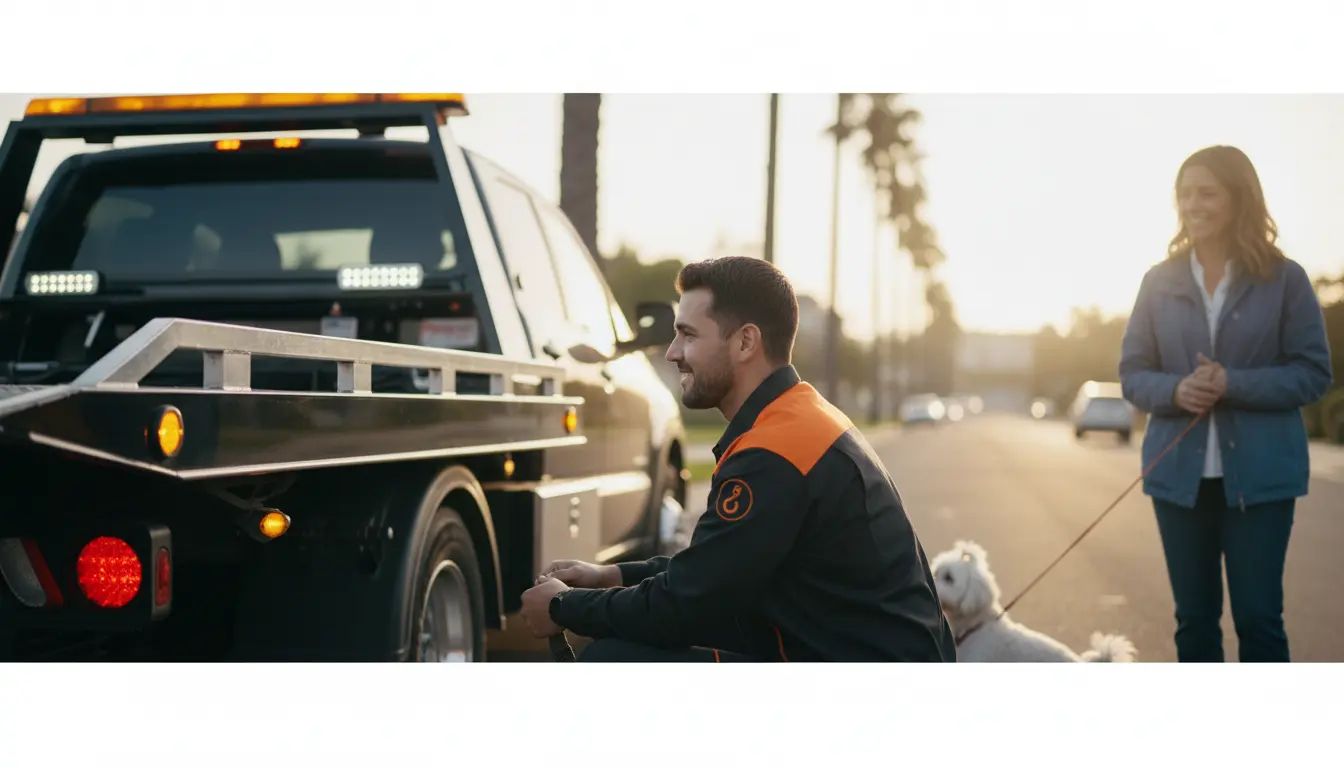
Managing high-performance vehicular electrical systems across Central Florida requires understanding that battery failures are rarely isolated events. Often, a total power loss is the terminal result of prolonged thermal stress where high ambient temperatures accelerate internal chemical evaporation, significantly lowering cold-cranking amp output. When your vehicle becomes non-responsive on congested transit corridors, securing a rapid professional automotive recovery dispatch ensures your electrical failure doesn’t escalate into a massive highway safety hazard.
The intense gridlock cycles of Orlando’s I-4 infrastructure impose brutal demands on charging systems, forcing lead-acid cells to endure rapid charge-discharge loops that foster plate sulfation. Once these internal battery components reach a critical threshold of resistance, the alternator can no longer maintain voltage, leading to a sudden, permanent system seizure. Partnering with a specialist in emergency battery recovery and jump-start services prevents secondary damage to sensitive electronic control units.
At G&D Towing, we focus on providing clean, technically precise battery jump-start procedures and advanced logistical support to ensure your transport remains fully compliant with federal highway safety codes. From validating structural chassis weight limits before any rigging takes place to ensuring all-wheel-drive systems are safely decoupled during transport, our certified fleet prioritizes long-term vehicle health. Keeping these technical standards intact protects your asset equity and simplifies every emergency transit sequence.
Advanced Technical Process & Electrical System Protection
Our logistical workflow initiates with a comprehensive diagnostic evaluation of the vehicle’s electrical load capacity and physical positioning relative to active traffic lanes. For units suffering from chronic battery degradation or seized alternator windings, we deploy specialized wheel-lift equipment or flatbed platforms to eliminate all rolling resistance. This methodology protects modern variable-drive transmission geometries from the destructive frictional forces associated with traditional two-wheel trailing.
When unexpected downpours cause local roadside embankments to soften, our operators adapt recovery techniques using kinetic energy management formulas. By calculating winching vectors precisely, we extract vehicles from silt or sand without introducing torsion to the vehicle’s structural unibody. To inspect our complete suite of technical transport and power restoration options, motorists can browse our layout of certified emergency recovery services.
| Recovery Parameter | Engineered Flatbed Logistics | Conventional Hook and Chain |
|---|---|---|
| Drivetrain Wear | Zero (Complete Isolation) | High Risk (Axle Rotation) |
| Securement Type | Four-Point Tire Strapping | Direct Frame Stress Tension |
| Ground Clearance | High (Optimized Loading Angle) | Low (Risk of Bumper Impact) |
Expert Insights on Hydrostatic Hazards & Highway Safety
When a vehicle becomes stalled in standing water on local secondary roads during intense storm cycles, the operator must strictly avoid attempting to restart the engine. Attempting an ignition cycle while the air intake sits below the water line pulls liquid directly into the combustion chambers, causing catastrophic hydrostatic locking that instantly ruins the entire engine block. Always prioritize safe extraction before attempting any mechanical resets.
A frequent error made by motorists facing highway stalls is drifting into narrow left-hand shoulder zones. This placement minimizes your defensive working room and places the recovery fleet in the direct line of high-speed tourist traffic. Motorists looking to analyze broader preventative care guidelines and structural roadside safety tips can follow our technical updates via our updated roadside technical blog.
Safety Compliance & Department of Transportation Standards
G&D Towing executes every jump-start recovery and highway vehicle relocation in strict compliance with federal Department of Transportation safety protocols. We utilize high-performance, non-marring synthetic web assemblies and load-rated aluminum alloy anchors that possess verified working limits far exceeding the vehicle’s structural weight mass. Our operational safety standards feature active traffic incident management loops designed to keep your vehicle secure during transport phases.
Frequently Asked Questions (FAQs)
Intense heat causes the electrolyte solution inside lead-acid batteries to evaporate rapidly, which accelerates the growth of lead sulfate crystals on the internal plates. This process, known as sulfation, creates a high-resistance barrier that reduces the battery’s ability to hold a charge and deliver effective cranking power.
Modern vehicles feature sophisticated electronic control units (ECUs) that are highly sensitive to voltage spikes during jump-starting. An improper connection or a sudden surge can short-circuit these controllers, leading to thousands of dollars in repair costs, which is why certified jump-start service is recommended.
AWD drivetrains utilize delicate center differentials or transfer cases to manage power distribution between the front and rear axles. If the wheels on one axle rotate while the other remains stationary, the internal differential gears are forced to spin without lubrication, resulting in immediate gear stripping and thermal failure.
Hydrostatic locking happens when water enters your engine’s combustion chambers. Since water cannot be compressed like air, the pistons attempt to move but are met with immovable liquid, which causes connecting rods to bend or snap instantly, completely destroying the engine assembly.
Common signs include headlights that dim while accelerating, persistent burning smells originating near the engine belts, and the vehicle stalling even after successfully starting with a jump. These indicators confirm that the charging system is no longer producing enough current to power the electrical components while driving.
Final Thoughts
In conclusion, keeping your vehicle mobile through Florida’s extreme weather relies on managing electrical degradation before total system failure leaves you stranded. Relying on an experienced, code-compliant fleet specialist guarantees that your vehicle receives precision recovery care under strict federal safety standards. Motorists can build communication channels directly through our official emergency dispatch team to launch an immediate tactical response.