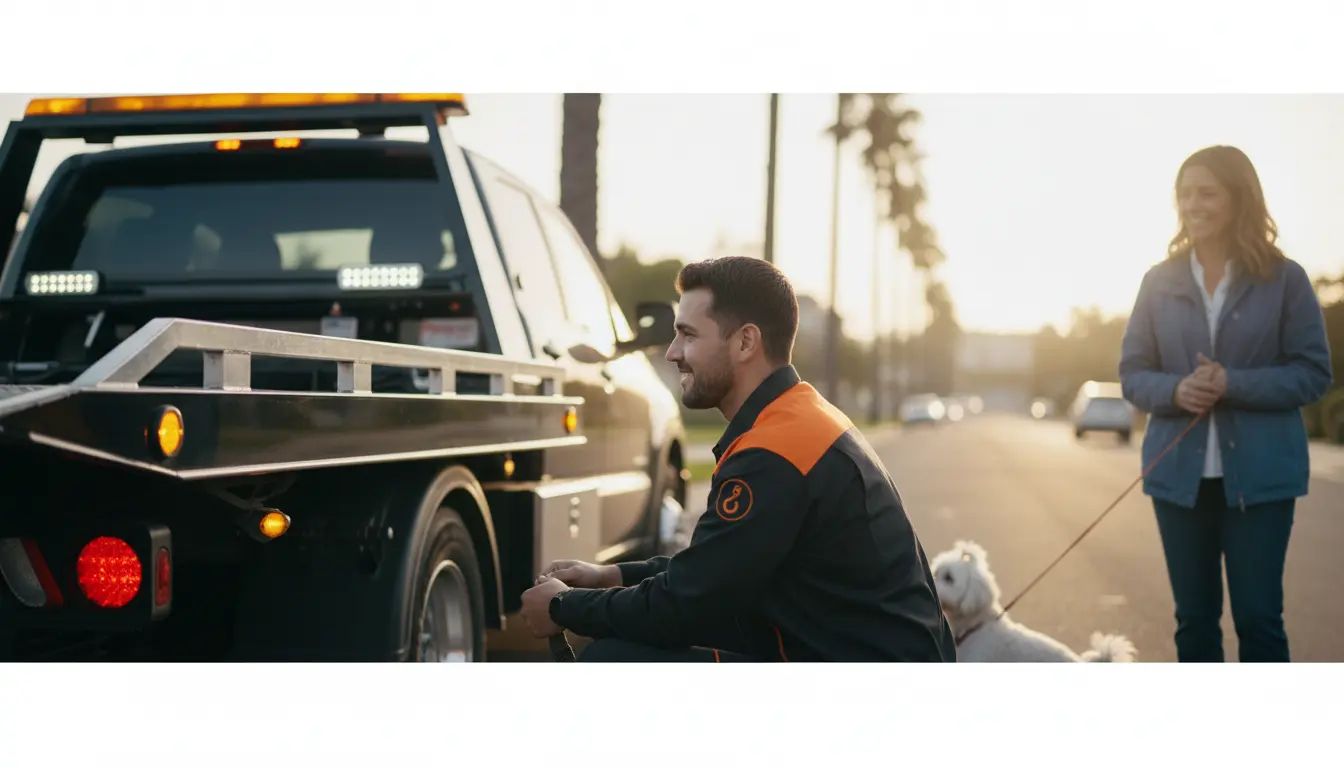
Preparing a motor vehicle for long-distance transit across Central Florida requires rigorous attention to structural rigging and mechanical isolation. When vehicles traverse high-speed arterial routes like Interstate 4, the combination of sustained mechanical heat and varying terrain densities puts significant stress on factory tie-down points. Securing an immediate professional automotive transport specialist ensures that your vehicle’s structural integrity remains uncompromised over hundreds of miles.
Long-distance relocation projects often expose vehicles to sudden, aggressive downpours and fluctuating asphalt temperatures, which necessitate specialized loading strategies. Whether you are managing an exotic performance model or a standard commuter sedan, understanding the difference between standard dragging and flatbed isolation is critical. Our experts in professional long-distance towing solutions in Orlando prioritize your asset’s protection by utilizing advanced hydraulic deck configurations and digital weight-distribution tracking.
At G&D Towing, we build our transport protocols around absolute compliance with Department of Transportation safety regulations and high-capacity equipment standards. From calculating axle-load distribution indices to deploying non-marring wheel-strapping systems that eliminate all frame contact, our certified fleet provides elite roadside care. Maintaining these precise operational standards safeguards your vehicle’s drivetrain and streamlines every long-haul dispatch sequence.
Technical Engineering & Structural Rigging Mechanics
The core of safe long-distance transport is the complete decoupling of the vehicle’s drivetrain from the road surface. For modern all-wheel-drive systems, standard two-wheel dragging forces the center differential to rotate without operational fluid pressure, leading to catastrophic thermal seizing. Our technicians execute precise vehicle loading by matching the gross vehicle weight rating with appropriate alloy hookup points, ensuring zero directional stress on unibody chassis structures.
Once secured, we continuously monitor the rigging tension using digital tensioning gauges, ensuring that high-velocity wind loads encountered during highway travel do not cause micro-shifting. To examine our full list of commercial transport configurations and mechanical protection options, motorists can explore our layout of certified towing and recovery services.
| Recovery Parameter | Engineered Flatbed Logistics | Conventional Hook and Chain |
|---|---|---|
| Drivetrain Wear | Zero (Complete Isolation) | High Risk (Axle Rotation) |
| Securement Type | Four-Point Tire Strapping | Direct Frame Stress Tension |
| Ground Clearance | High (Optimized Loading Angle) | Low (Risk of Bumper Impact) |
Expert Insights on Storm Management & Safety
When a vehicle stalls in deep standing water on secondary paths during tropical storm cycles, the operator must never attempt to restart the internal combustion engine. Attempting ignition when the intake is submerged forces liquid into the cylinders, triggering catastrophic hydrostatic locking that instantly destroys the engine block. Professional transport is the only safe avenue for reclaiming an immobilized vehicle in these conditions.
A frequent error during interstate breakdowns is exiting the vehicle on the high-speed traffic side. This maneuver drastically diminishes your defensive safety bubble and leaves you vulnerable to distracted tourist drivers. Keeping your transport status updated through our technical roadside assistance blog provides you with the latest strategies for navigating regional roadside hazards and long-haul planning.
Safety Protocols & Department of Transportation Compliance
G&D Towing executes every vehicle extraction and long-distance transport sequence in strict accordance with federal Department of Transportation safety protocols. We utilize high-performance, non-marring synthetic web assemblies and load-rated aluminum alloy anchors that possess verified working limits far exceeding the vehicle’s structural weight mass. Our operational safety standards feature active traffic incident management loops designed to keep your vehicle perfectly secure during highway transit phases.
Frequently Asked Questions (FAQs)
All-wheel-drive systems utilize sophisticated differentials to balance power between axles. If one axle rotates on the road while the other stays locked on the tow truck, the internal differential gears spin without proper oil pressure, causing rapid thermal seizure and gear teeth destruction.
Flatbed transport eliminates all road-to-wheel contact, ensuring the vehicle’s suspension rests in a neutral, stationary state throughout the trip. Traditional towing forces the chassis to absorb constant jarring, which can crack unibody seams and permanently alter factory alignment geometries.
Hydrostatic locking occurs when water enters the combustion chamber. Since water cannot be compressed like air, the rising piston meets a solid fluid barrier, causing connecting rods to bend or shatter instantly. This force destroys the engine internals, making it a terminal failure that cannot be “repaired” through simple drying.
Indicators include rhythmic thumping sounds, noticeable vibrations in the steering wheel at highway speeds, and visible bubbling or irregular bulging along the tire’s sidewall. These signs confirm that the internal steel belts have separated from the rubber compound and require immediate professional attention.
Technicians deploy specialized extended race ramps or manual wooden staging layers to flatten the loading slope to under ten degrees. This ensures that sensitive front-end components and carbon fiber ground effects maintain perfect clearance from the metal loading deck edge.
Final Thoughts
In conclusion, ensuring your vehicle arrives at its destination safely requires choosing a transport provider that values mechanical isolation and structural compliance over speed. Trusting an experienced, code-compliant fleet specialist guarantees that your vehicle remains in pristine condition throughout the entire logistical operation. Motorists can build communications directly through our official emergency dispatch team to launch a secure and transparent tactical response.