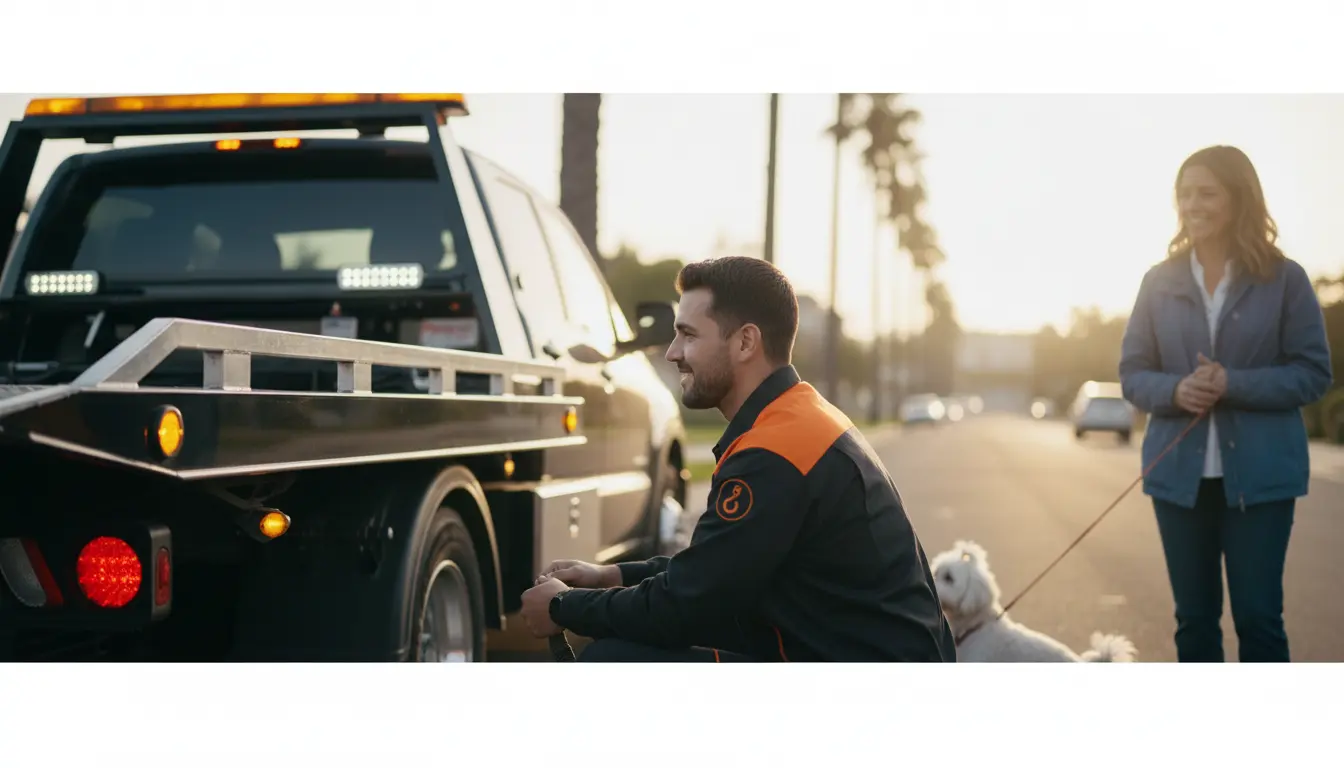
Protecting luxury assets during roadside failure requires advanced mechanical isolation far beyond traditional hook-and-chain methods. Modern high-performance vehicles, featuring complex electronic control units and low-clearance aerodynamic splitters, require precision handling to avoid permanent structural compromise. Securing a professional automotive transport specialist ensures your vehicle’s sensitive systems remain fully decoupled from road-induced vibration and torsional stress.
The Orlando metropolitan area, characterized by severe gridlock and high-temperature thermal cycles, poses unique risks to performance-grade automotive components. When your vehicle becomes disabled, our specialized flatbed towing services offer total drivetrain isolation, which is critical for all-wheel-drive configurations. By leveraging hydraulic flatbed technology, we ensure your vehicle’s ride height is respected and protected throughout the entire recovery sequence.
At G&D Towing, we build our vehicle relocation protocols around absolute compliance with federal safety regulations and manufacturer-specific handling guidelines. From calculating precise loading angles for lowered chassis to deploying non-marring synthetic harness assemblies, our certified fleet provides elite care. Maintaining these high standards protects your investment and streamlines every emergency dispatch across Central Florida.
Technical Rigging & Precision Recovery Mechanics
Our logistical workflow initiates with a comprehensive diagnostic evaluation of the vehicle’s damage profile and its current orientation. For units suffering from electrical braking seizure or transmission lock, we deploy automated hydraulic decks to eliminate rolling resistance completely. This methodology protects modern variable-drive transmission geometries from the destructive frictional forces typically associated with traditional trailing methods.
When vehicles stall on soft roadside embankments, our operators compute exact winching vectors to shift the load without introducing torsion to the unibody frame. By utilizing high-capacity synthetic winching lines, we execute heavy-duty recovery maneuvers that preserve the integrity of carbon fiber ground effects and sensitive air suspension modules. To inspect our complete suite of technical transport formats, motorists can browse our layout of certified emergency towing services.
| Recovery Parameter | Engineered Flatbed Logistics | Conventional Hook and Chain |
|---|---|---|
| Drivetrain Wear | Zero (Complete Isolation) | High Risk (Axle Rotation) |
| Securement Type | Four-Point Tire Strapping | Direct Frame Stress Tension |
| Ground Clearance | High (Optimized Loading Angle) | Low (Risk of Bumper Impact) |
Expert Insights on Hydrostatic Hazards & Site Safety
When a vehicle stalls in deep standing water during torrential storm cycles, the operator must strictly avoid attempting to restart the internal combustion engine. Attempting ignition while the intake resides below the water line pulls liquid into the combustion chambers, causing catastrophic hydrostatic locking that instantly ruins the entire engine block. Professional transport is the only safe avenue for reclaiming an immobilized vehicle in these conditions.
A frequent error made by motorists facing highway breakdowns is drifting into narrow left-hand shoulder zones. This placement minimizes your defensive working room and places the recovery fleet in the direct line of high-velocity tourist traffic. Motorists looking to analyze broader preventative care guidelines and structural roadside safety tips can follow our technical updates via our updated roadside technical blog.
Safety Protocols & Department of Transportation Compliance
G&D Towing executes every high-end vehicle extraction and transport sequence in strict accordance with federal Department of Transportation safety protocols. We utilize high-performance, weather-resistant equipment that preserves the integrity of your vehicle’s frame while maintaining active traffic management loops to safeguard public right-of-ways. Operational safety remains our absolute priority, requiring full compliance with on-scene illumination rules during all emergency recovery dispatches.
Frequently Asked Questions (FAQs)
AWD drivetrains utilize sophisticated differentials to balance power between axles. If one axle rotates on the road while the other stays locked on the tow truck, the internal gears spin without oil pressure, leading to rapid thermal seizure and gear teeth destruction.
Technicians deploy extended race-grade ramps or manual staging layers to flatten the loading angle to under ten degrees. This ensures that sensitive front-end splitters maintain absolute clearance from the steel loading deck edge.
Hydrostatic locking happens when water enters the combustion chamber. Since water cannot be compressed like air, the piston meets a solid fluid barrier, causing connecting rods to bend or shatter instantly, which permanently ruins the engine core.
Synthetic harnesses wrap over the tire rubber to secure the vehicle via its unsprung mass, completely avoiding contact with metal frame components. This prevents the chipping and frame stress associated with heavy chain-based rigging, which is critical for preserving frame geometry.
High-visibility perimeter zones protect recovery operators and the motoring public from secondary highway collisions, especially during low-visibility scenarios like evening rainstorms or dense fog on major interstates.
Final Thoughts
In conclusion, keeping your luxury vehicle mobile through Florida’s extreme weather relies on identifying mechanical failure early and choosing certified flatbed support over risky manual techniques. Relying on an experienced, code-compliant fleet specialist guarantees that your vehicle’s integrity remains secure under rigorous federal safety standards. Motorists can build communication channels directly through our official emergency dispatch team to launch a secure and tactical response.